The Mental Health Costs of Statelessness
A case study of Pakistani Bengali adolescents and young adults
A landmark study exploring how statelessness shapes the mental health and wellbeing of young people — led by UCL in partnership with Imkaan Welfare Organisation, and funded by the Wellcome Trust.
Welcome to MH-COST
A research project dedicated to understanding, and ultimately improving, the mental health and wellbeing of stateless young people in Pakistan. This site brings together our research, our team, and the voices of the community we work alongside.
About the MH-COST Study
The MH-COST Study
The Mental Health Costs of Statelessness (MH-COST) project is the first to study the experiences of mental health amongst stateless adolescents and young adults in Pakistan and one of the largest to date globally to study these issues with a stateless population.
MH-COST specifically focuses on the Pakistani Bengali community living in Karachi, Pakistan. Around 70–80% of this group face issues of citizenship and state recognition despite being in their 3rd and 4th generations. Many are under the age of 30 and have been born in Pakistan.
Through characterising the impact of statelessness on mental health, exploring mental health outcomes more generally, considering characteristics that moderate mental health and investigating cultural expressions of health and coping via a survey, interviews and a series of narrative workshops, this research aims to understand how statelessness affects mental wellbeing in the Pakistani Bengali population based in Karachi, Pakistan.
Research Focus
The MH-COST Project Asks
Experiences of Stigma & Discrimination
What are the experiences of stigma and discrimination, and the range of stressors faced by young Pakistani Bengalis, particularly tied to statelessness and lack of belonging?
Mental Health & Belonging
How do these experiences and stressors influence the mental health and sense of belonging of young Pakistani Bengalis?
Factors Affecting Wellbeing
How do characteristics such as age, education, occupation, social networks, and gender moderate levels of mental wellbeing?
Coping, Resilience & Resistance
What strategies do members from this community draw from to enable them to cope with and show resilience and resistance to the mental health challenges associated with statelessness?
Comparative Mental Health
How does the mental health of young people from the Pakistani Bengali community compare to that of young Pakistanis who are not affected by statelessness?
The Study Surveys
900 young people – 450 Pakistani Bengali youth, and a comparison group of 450 young people aged 16-25
Project Objectives
This project seeks not only to generate new empirical knowledge but also to co-produce culturally informed mental health resources and an awareness campaign alongside young members of the community.
Partnership
MH-COST, based at University College London, is designed and run in partnership with Imkaan Welfare Organisation, the first and largest Pakistani organisation working on statelessness in Pakistan.
Funded by: Wellcome Trust



Our Research Approach
MH-COST runs from October 2025 onwards and our research is organised into three phases.
Phase 1
Phase 1 focuses on identifying key stressors related to statelessness and developing a culturally grounded mental health survey…
Phase 2
In phase 2, we will recruit and conduct our survey with our study group of 450 stateless Pakistani Bengali young people…
Phase 3
This phase centres youth voices and supports new narratives around mental health and statelessness in Pakistan…
Ethical Approval
This study has received ethical approval by the UCL Humanities, Arts and Sciences Research Ethics Committee (Project ID:1904).
Artists' Credits
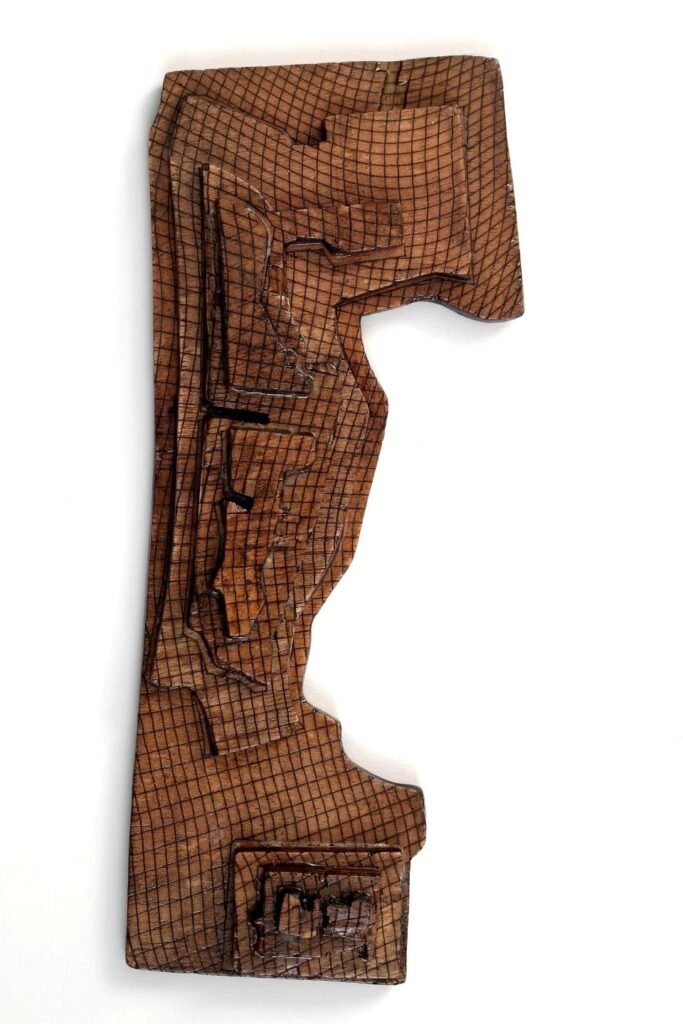
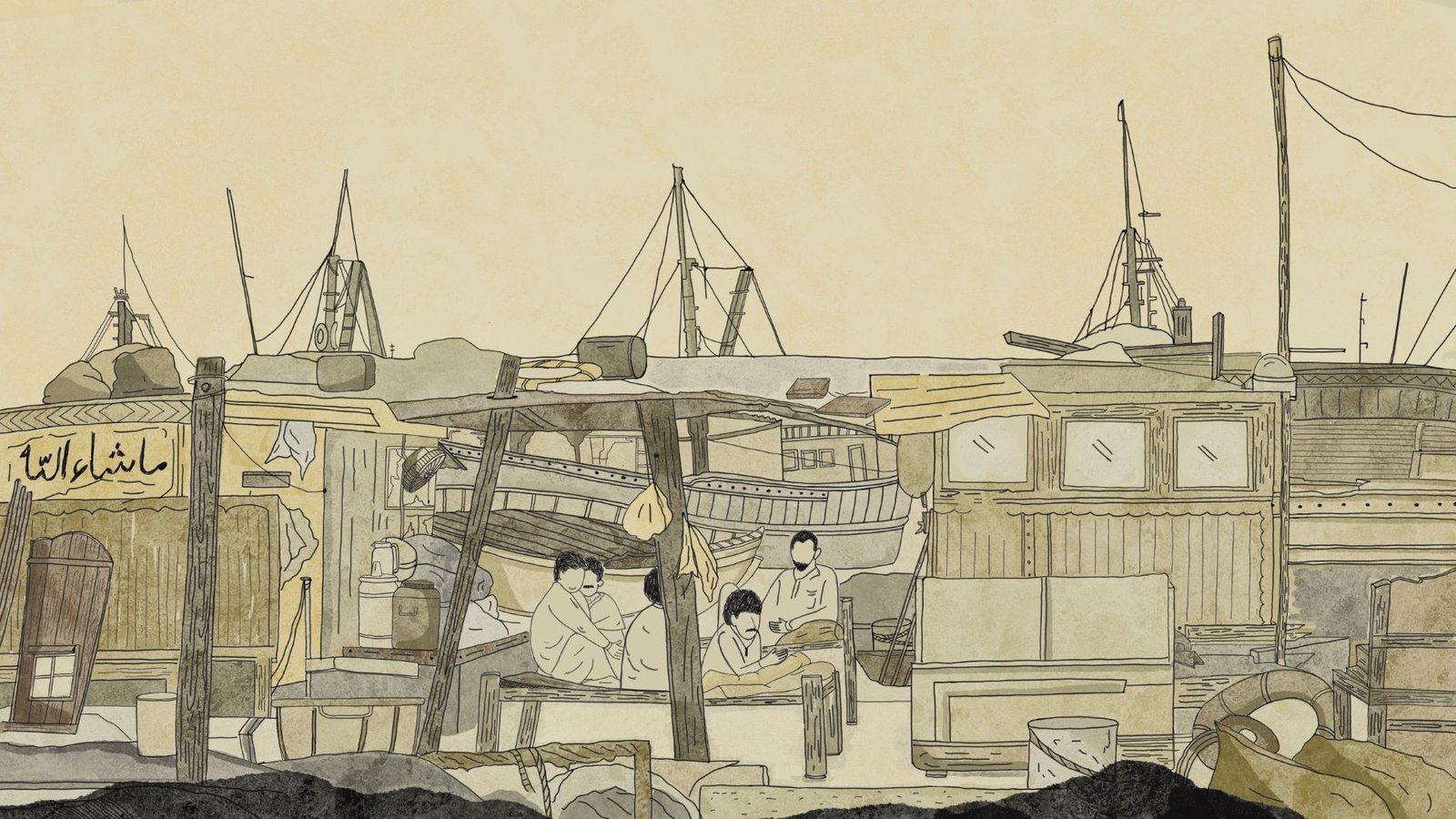
Images in this website, come from 2 artists
- ‘Captured displacement’ by Axel Lucas
- The Others by Adan Shaikh
Find out more here: https://poistudy.com/artistic-outputs/gallery-space/